

Replacing tile flooring in Denver involves balancing material costs ($10-$30+ per sq. ft.), installation complexity, and Flooring Trends Denver. Popular choices include rustic wood-look tiles, luxe vinyl planks, and Spanish/Italian ceramics, but laminate is cost-effective. Consulting local experts offers tailored advice. By considering durability, maintenance, and aesthetics, homeowners can increase home value through informed flooring decisions, staying within budget by researching prices, setting contingencies, and staying current with Flooring Trends Denver.
In the dynamic landscape of home renovation, flooring trends Denver plays a pivotal role in shaping interior aesthetics and functionality. With tile flooring emerging as a popular choice for its durability and aesthetic appeal, understanding the cost to replace this essential element is crucial for any homeowner. The complexity of the task often leads to a web of questions: How much will it truly cost? What factors influence pricing? Navigating these complexities is vital for ensuring a successful remodel that aligns with both budget and vision. This article provides an authoritative guide, delving into the intricate world of tile flooring replacement costs in Denver, offering valuable insights to empower informed decisions.
- Understanding Tile Flooring Costs in Denver
- Materials & Labor: Key Factors in Denver
- Exploring Current Flooring Trends Denver
- Budgeting for Replacement: Tips & Tricks
Understanding Tile Flooring Costs in Denver

Replacing tile flooring in Denver involves more than just selecting a style—it’s understanding the intricate web of costs associated with materials, labor, and current flooring trends Denver has embraced. According to recent market analyses, the average cost to replace tile flooring in Denver ranges from $10 to $20 per square foot, with high-end options reaching up to $30 or more. This significant price variance is influenced by several factors, including the type of tile, complexity of installation, and the expertise of denver tile installation specialists.
For instance, popular flooring trends Denver has seen in recent years include rustic wood-look tiles, luxe vinyl planks imitating marble, and sophisticated ceramic designs from Spain and Italy. While these trendy flooring ideas for living rooms Denver can significantly enhance a home’s aesthetic appeal, they often come with higher price tags compared to more conventional options like porcelain or granite. Laminate flooring Denver is another cost-effective alternative that has gained popularity due to its affordability and ease of installation, especially in areas where homeowners seek quick updates without breaking the bank.
In navigating these costs, homeowners should consider working with reputable denver tile installation specialists who can offer expert advice tailored to individual needs and budgets. By balancing current flooring trends Denver offers with practical considerations like durability, maintenance, and long-term return on investment, property owners can make informed decisions that ensure their new floors not only look stunning but also serve as a reliable investment in their homes’ value.
Materials & Labor: Key Factors in Denver
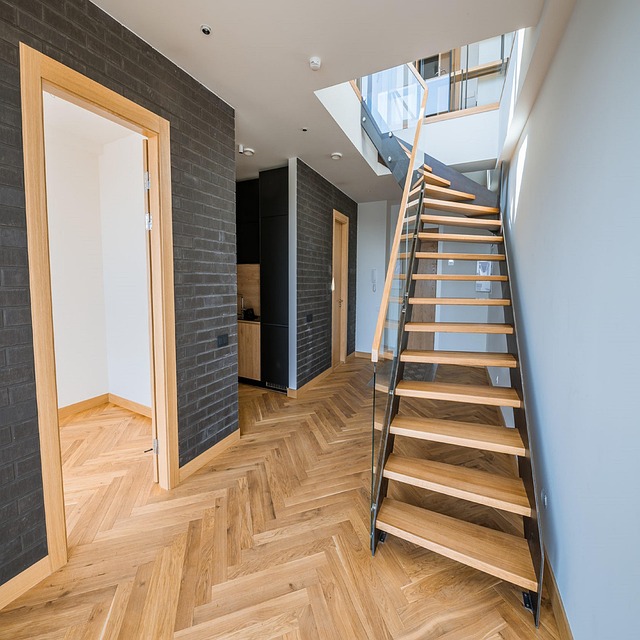
In Denver, replacing tile flooring involves a complex interplay of material costs and labor expenses. The market for flooring trends in Denver is dynamic, with various options available that can significantly impact the overall price tag. For instance, high-end porcelain tiles or imported stone could drive up material costs compared to more affordable alternatives like ceramic tiles or locally sourced materials. Additionally, the cost of labor varies widely based on the complexity of the project, the size of the space, and the level of customization required.
Professional installation services in Denver are crucial for ensuring a durable and aesthetically pleasing outcome. Refinish hardwood floors in Denver, for example, can add layers of complexity to the process, requiring skilled technicians to sand, restore, and finish existing hardwood beneath the tile. Conversely, simple replacement projects might involve laying new tiles over old without extensive preparation. Labor rates in Denver reflect these varying levels of expertise and time investment, with specialized services like hardwood floor repair Denver CO often commanding premium prices.
To provide a realistic estimate, materials for a standard tile flooring replacement in a medium-sized bathroom or kitchen in Denver could range from $15 to $30 per square foot, not including labor. Labor costs themselves can vary from $5 to $15 per square foot, depending on the complexity of the job and the contractor’s rates. For larger projects or bespoke designs, these figures should be adjusted accordingly. Understanding these key factors—materials and labor—is essential when planning a flooring project in Denver. Consulting with local flooring supplies and installation experts can offer valuable insights into current market prices and help homeowners make informed decisions tailored to their budgets and Flooring Trends Denver preferences.
Exploring Current Flooring Trends Denver

In the dynamic landscape of flooring trends Denver has emerged as a hub of innovation and style. Homeowners and designers alike are increasingly seeking unique and durable solutions that reflect their personal aesthetics. One notable trend is the growing preference for custom wood flooring Denver Colorado, where artisans craft high-end, handcrafted floors that transform ordinary spaces into stunning showcases. This local specialty not only adds warmth and character but also boosts property values in competitive markets like Denver.
Moreover, Flooring Denver has seen a surge in demand for eco-friendly options, with many consumers opting for sustainable materials such as bamboo or reclaimed wood. These choices align with broader environmental consciousness, ensuring that your flooring updates are both stylish and responsible. In-home flooring installations have also gained popularity due to their convenience and ability to offer tailored solutions. Local experts can guide homeowners through the vast array of options, from luxury vinyl planks that mimic natural materials to advanced ceramic tiles with intricate designs.
When exploring flooring trends Denver, it’s essential to consider not just aesthetics but also functionality and longevity. For example, areas prone to moisture like kitchens and bathrooms may require water-resistant or waterproof materials, such as engineered hardwood or luxury vinyl tile. Data from recent industry surveys indicate that investments in high-quality flooring tend to pay off, with studies showing that well-maintained floors can increase a home’s resale value by up to 10%. Therefore, when embarking on a flooring project, whether it’s custom wood flooring Denver or eco-friendly alternatives, homeowners should seek expert advice and prioritize quality for long-term satisfaction.
Budgeting for Replacement: Tips & Tricks

Replacing tile flooring in Denver can be a significant investment, but with careful budgeting and strategic planning, you can navigate this process effectively. Understanding the costs involved is crucial when considering flooring trends Denver offers today. The price of replacing tile flooring varies widely depending on several factors, including the size of your space, the type of tiles chosen, labor rates in Denver, and whether you opt for professional installation or attempt DIY methods like installing laminate flooring yourself.
For instance, while wall tiles Denver can add a pop of color and texture to accent walls, they contribute significantly to material costs compared to standard floor tiles. Vinyl flooring installation Denver is a popular choice due to its affordability and ease of maintenance, offering both value and practicality. On average, expect to pay between $5 and $10 per square foot for materials alone, with labor costs varying from $3 to $7 per square foot depending on the complexity of the job and whether you hire professionals. Do-it-yourself installations can reduce material costs but may require substantial time investment and specialized tools, making it a feasible option only for those comfortable with DIY projects.
To stay within budget, homeowners in Denver should consider creating a detailed plan. Researching flooring options online and comparing local prices for materials and installation services is essential. Additionally, setting aside a contingency fund to account for unforeseen expenses can prevent surprises during the renovation process. Staying informed about current flooring trends ensures you make cost-effective choices that align with your aesthetic preferences while keeping financial considerations top of mind throughout the project.
Replacing tile flooring in Denver involves a combination of material and labor costs, with trends in Flooring Denver continuously evolving. Understanding these factors is key to budgeting effectively. The article has provided valuable insights into the financial considerations, highlighting that materials can vary widely, while labor rates are influenced by location and complexity. By staying informed about the latest flooring trends in Denver, homeowners can make informed decisions, ensuring their investments are both practical and aesthetically pleasing. To move forward, consider a thorough assessment of your space, research current market prices for materials, and consult with local professionals to estimate labor costs accurately, thereby facilitating a successful tile flooring replacement project.