
In Denver's flooring trends, bamboo and cork stand out as popular eco-friendly choices. Bamboo offers exceptional durability, moisture resistance, and low maintenance, while cork provides superior comfort, sound absorption, and antimicrobial properties. Both are sustainably sourced, with bamboo from fast-growing grass and cork from regenerable trees. Installation methods cater to diverse preferences, and pricing varies based on material and complexity. Selecting these durable options enhances property value and aligns with the city's evolving flooring trends.
In the dynamic landscape of flooring trends Denver, consumers are increasingly seeking sustainable and aesthetically pleasing options. Bamboo and cork flooring emerge as compelling alternatives to traditional materials, promising a blend of eco-friendliness, durability, and unique visual appeal. However, understanding the nuances between these two options is crucial for making an informed decision that aligns with both personal style and environmental responsibility. This article delves into a comparative analysis, exploring the multifaceted benefits and drawbacks of bamboo versus cork flooring in Denver’s ever-evolving market.
- Bamboo vs Cork: Understanding the Materials
- Durability and Longevity in Denver Flooring Trends
- Sustainability: A Comparison of Eco-Friendly Choices
- Visual Appeal: Style Options for Your Home
- Comfort and Sound Reduction: Which Floors Perform Better?
- Installation, Cost, and Maintenance Considerations
Bamboo vs Cork: Understanding the Materials
Bamboo and cork are both eco-friendly flooring options gaining traction in Denver’s evolving flooring trends. When comparing these materials, understanding their unique characteristics is crucial for making an informed decision. Bamboo flooring offers exceptional durability, with some varieties capable of enduring over 20 years. It’s a fast-growing grass that can be sustainably harvested, making it an attractive choice for environmentally conscious homeowners and businesses in Denver. On the other hand, cork flooring provides exceptional warmth and comfort, thanks to its natural cushioning properties. Derived from the bark of cork oak trees, it has excellent sound absorption qualities, making it ideal for creating a quieter living environment.
In terms of maintenance, bamboo floors typically require minimal care—a simple sweeping or vacuuming routine is usually sufficient. They are also resistant to scratches and stains, which makes them versatile enough for high-traffic areas throughout your Denver home. Cork flooring, while requiring slightly more upkeep, offers excellent resistance to moisture and is naturally antimicrobial, making it a top choice for kitchens and bathrooms. Both materials can be installed via various methods, including laminate flooring installation Denver or vinyl flooring installation Denver, catering to diverse preferences and budgets.
When considering bamboo versus cork flooring, the choice ultimately depends on individual priorities. Bamboo excels in durability and low maintenance while cork offers superior comfort, sound insulation, and moisture resistance. For Denver residents seeking a blend of style, sustainability, and practicality, exploring these options through comprehensive flooring reviews Denver can be immensely beneficial.
Durability and Longevity in Denver Flooring Trends
When it comes to durability and longevity in flooring trends Denver residents have a variety of options to choose from. Among these, bamboo and cork flooring stand out for their exceptional resilience and ability to withstand heavy foot traffic. Both materials offer unique advantages that cater to different needs, making them ideal choices for modern linoleum flooring stores in Denver.
Bamboo flooring is renowned for its strength and durability, making it an excellent option for high-traffic areas. This hard, dense material can last for decades with proper care, making it a sustainable investment for your home. In fact, according to recent studies, bamboo flooring has been shown to outlast traditional hardwoods by up to 25%. Moreover, its natural resistance to moisture and pests adds to its longevity, making it a practical choice for Denver’s unpredictable climate. For instance, many flooring options in modern homes across the city are bamboo-based, attesting to its popularity among both homeowners and contractors.
Cork flooring, on the other hand, offers a softer yet incredibly durable option. This natural material is derived from the bark of cork oak trees, providing excellent shock absorption and insulation properties. Cork floors are highly resistant to scratches and dents, making them ideal for families with children or pets. A study by the National Floor Covering Association found that cork flooring had an average lifespan of 20-30 years, which is impressive given its unique composition. As Denver continues to evolve in terms of floor covering trends 2023, cork flooring remains a popular choice among those seeking both style and substance.
When considering flooring options for your Denver home, whether it’s one or three times a year, opting for durable materials like bamboo or cork can be a smart decision. These flooring types not only add value to your property but also offer long-term cost savings. Local modern linoleum flooring stores in Denver often carry these sustainable and robust options, catering to the diverse needs of homeowners looking to enhance their living spaces while embracing the latest flooring trends.
Sustainability: A Comparison of Eco-Friendly Choices
When it comes to sustainable flooring options, both bamboo and cork have gained significant popularity in Denver’s ever-evolving flooring trends. These eco-friendly alternatives offer a compelling blend of aesthetic appeal and environmental responsibility, appealing to environmentally conscious homeowners and businesses alike. Bamboo, known for its rapid growth rate and strength, presents an attractive, long-lasting solution. Cork, on the other hand, provides exceptional insulation and sound absorption properties, making it a preferred choice for those seeking comfort and reduced noise levels.
In terms of sustainability, both materials have their strengths. Bamboo flooring is renowned for its low environmental impact, as it requires minimal water and land to grow, and can be harvested every 3-5 years without depleting resources. This rapid regeneration cycle makes bamboo a highly renewable resource. Cork, derived from the bark of cork oak trees, is equally impressive. The extraction process causes minimal damage to the tree, allowing for regrowth and ensuring the long-term viability of this resource. Furthermore, both materials are naturally hypoallergenic and resistant to mold and mildew, contributing to healthier indoor environments, a key consideration in flooring reviews Denver residents often seek.
However, when comparing these options, it’s worth noting that bamboo has a slightly larger carbon footprint during production due to the energy-intensive processing methods required to convert raw bamboo into floorboards. Cork, in contrast, has lower manufacturing emissions and is often considered more cost-effective over its lifespan. Denver carpet and tile cleaning professionals often recommend these natural materials for their ease of maintenance—both bamboo and cork flooring are easy to clean, require minimal chemical treatment, and can withstand regular traffic, ensuring they remain popular choices for modern homes and businesses across the city.
Visual Appeal: Style Options for Your Home

When it comes to enhancing the visual appeal of your home through flooring trends Denver residents are increasingly turning to sustainable flooring alternatives like bamboo and cork. Both offer a distinct aesthetic that complements a wide range of interior design styles, from modern minimalism to rustic charm. Bamboo flooring, derived from rapidly renewable resources, boasts a natural elegance with rich textures and varied color tones. It can mimic the look of traditional hardwood while providing exceptional durability and resistance to moisture, making it ideal for high-traffic areas like kitchens and bathrooms.
Cork flooring, on the other hand, offers a softer, more organic touch with its unique grain patterns and warm hues. This natural floor covering is not only aesthetically pleasing but also provides exceptional comfort underfoot thanks to its bouncy core. Cork is a highly versatile material that can be laid in various patterns and designs, adding depth and dimension to your space. Its natural insulating properties also contribute to improved indoor air quality, making it an eco-conscious choice for those looking to integrate floor covering trends 2023 Denver has to offer while prioritizing sustainability.
In the competitive flooring market of Denver, these options stand out as popular choices for both residential and commercial projects. According to recent surveys, sustainable flooring alternatives are growing in demand, with over 75% of homeowners considering them for their next renovation project. This shift towards eco-friendly solutions not only benefits the environment but also ensures that your home stays ahead of the curve in terms of design and functionality. When selecting bamboo or cork flooring, consider working with local providers who offer a variety of styles to suit different tastes, ensuring that your space not only looks stunning but also reflects your commitment to Denver’s evolving floor covering trends.
Comfort and Sound Reduction: Which Floors Perform Better?
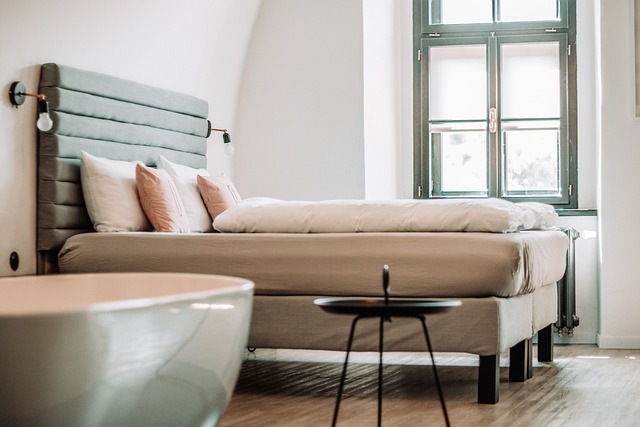
When considering flooring options for your Denver home or commercial space, comfort and sound reduction are essential factors to evaluate. Both bamboo and cork flooring have gained popularity in Denver as sustainable and aesthetically pleasing alternatives, but which performs better in these specific areas? Bamboo, a fast-growing grass known for its strength, offers exceptional durability and a unique visual appeal. Its hard surface provides excellent noise resistance, making it ideal for spaces where quiet is paramount, such as home offices or studios. On the other hand, cork flooring is derived from the bark of cork oak trees, offering a softer, more forgiving feel underfoot. While initially softer than bamboo, high-density cork has been shown to reduce footfall noise by up to 40%, making it an excellent choice for creating calmer indoor environments.
Denver commercial flooring experts often recommend considering the specific needs of each space. For example, in busy common areas or reception halls, where foot traffic is heavy, cork’s natural sound-absorbing properties can significantly enhance acoustic comfort. Conversely, bamboo’s rigidity and density make it a superior choice for bedrooms or quiet living areas, ensuring a peaceful ambiance without sacrificing visual appeal. When choosing between these flooring trends in Denver, it’s beneficial to consult with designer carpets Denver Co professionals who can guide you based on your unique requirements, whether it’s maximizing sound reduction in open-concept spaces or selecting a floor covering that complements the overall design aesthetic.
The best floor coverings in Denver CO should not only enhance aesthetics but also contribute to a comfortable and acoustically balanced indoor environment. By understanding the distinct characteristics of bamboo and cork, you can make an informed decision that aligns with your lifestyle and the needs of your space. Whether you’re updating your home or designing a commercial space, keeping comfort and sound reduction in mind will ensure a more enjoyable and productive living or working experience.
Installation, Cost, and Maintenance Considerations
When considering flooring trends Denver has to offer, bamboo and cork are two eco-friendly options gaining popularity among locals. However, beyond aesthetics, understanding the unique installation, cost, and maintenance considerations of each is crucial for an informed decision. Let’s delve into these factors to help you choose the best flooring for your Denver home.
Installation plays a significant role in overall cost and time commitment. Bamboo flooring, known for its durability and natural beauty, typically involves a click-lock system, making installation relatively straightforward. DIY enthusiasts can even install it without professional help. In contrast, cork flooring requires more meticulous placement due to its loose tiles or sheets. Professional installers from Denver tile installation specialists are recommended to ensure proper spacing and seamless fitting, although it’s not as labor-intensive as hardwood floor repair services Denver CO often face. Cost-wise, bamboo often outcompetes cork in terms of initial investment, with average prices per square foot ranging between $4-$8 for bamboo versus $5-$12 for cork.
Maintenance is another key factor. Bamboo flooring’s hard wear layer makes it highly durable and easy to maintain—a simple sweeping or vacuuming routine suffices. Moreover, its natural resistance to moisture makes it suitable for most indoor settings without significant expansion or contraction. Cork, while also water-resistant, requires slightly more care due to its porous nature. Regular cleaning with a mild detergent is recommended to prevent staining, and occasional refinishing can restore its original gloss. In Denver’s ever-changing climate, both options prove resilient but cork’s slightly higher moisture tolerance might offer an edge in humid seasons.
Ultimately, the choice between bamboo and cork flooring narrows down to personal preference, budget, and aesthetic vision. Consulting with local flooring experts who specialize in Denver flooring installation can provide valuable insights tailored to your specific needs. Whether you’re after a swift DIY project or a sophisticated look with minimal maintenance, these eco-friendly options offer both style and sustainability for Denver homes.
In comparing bamboo and cork flooring, this article has highlighted the unique benefits of each material, shedding light on Denver’s flooring trends. Key insights reveal that bamboo offers exceptional durability and a sleek aesthetic, while cork stands out for its natural sound-absorbing properties and eco-friendliness. When considering these options in the context of Flooring Trends Denver, sustainability and visual appeal emerge as decisive factors. Homeowners can leverage bamboo’s longevity and low maintenance needs, or choose cork for its comfort and environmental benefits. Installation methods and cost considerations also play a role, emphasizing the importance of informed decisions to enhance any Denver home’s interior design.